For years, the location-independent movement was dominated by a single archetype: a remote worker sitting on a tropical beach, dodging glare on a laptop screen while sipping coconut water.
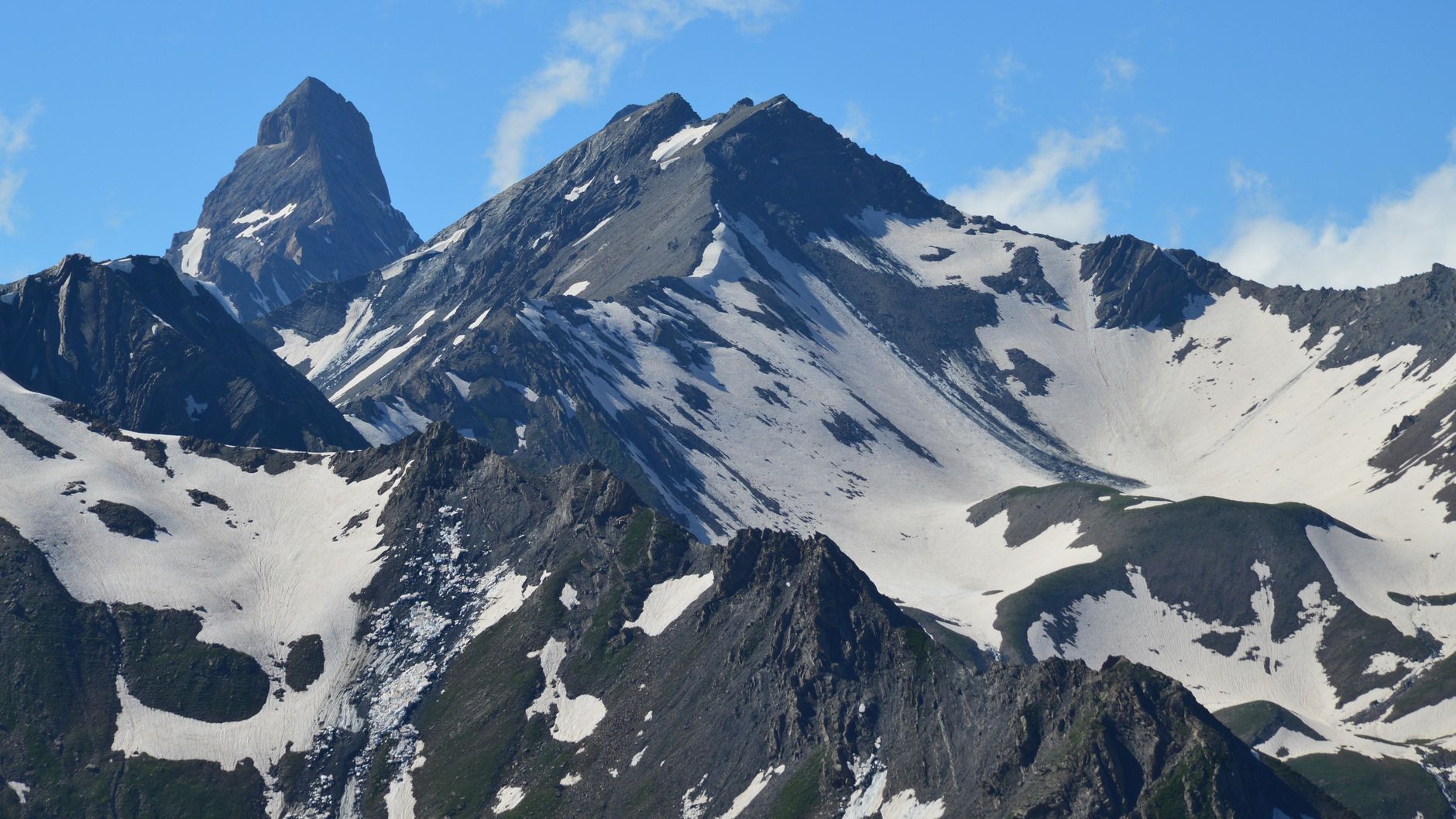
While chasing endless summers has its perks, an increasing number of high-earning remote workers, tech founders, and specialized consultants are pivoting toward cold-weather bases. Combining high-bandwidth work sessions with alpine sports, thermal wellness, and tight-knit mountain communities, winter nomadism represents a major lifestyle upgrade for professionals who thrive in crisp, high-focus environments.
Operating successfully out of a mountain hub requires balancing alpine sports with heavy work deadlines. It demands a deliberate strategy built around curated winter bases, hardware thermal management, and asynchronous workflow design.
1. Top Mountain Hubs for Winter Remote Work
Not every alpine town can support remote work. Inflated short-term housing prices, weak Wi-Fi, and isolated infrastructure disqualify many classic resorts. The ideal mountain base requires enterprise-grade internet, functional coworking options, reasonable seasonal rentals, and direct access to mountain infrastructure.
Bansko, Bulgaria (The Unmatched European Hub)
Nestled at the foot of the Pirin Mountains, Bansko has transformed from a quiet ski town into one of Europe’s premier digital nomad ecosystems.
- The Appeal: Unbeatable affordability, widespread high-speed fiber internet, low tax brackets, and an established year-round nomad community.
- The Ski Access: The gondola in town provides direct access to 75 km of groomed ski runs.
- Community: Home to multiple coworking spaces (such as Coworking Bansko) that host daily mastermind sessions, skill shares, and social dinners.
Innsbruck, Austria (The Urban Alpine Hybrid)
For those who refuse to trade city conveniences for mountain trails, Innsbruck provides the ultimate middle ground.
- The Appeal: Full metropolitan amenities—including reliable public transit, modern university libraries, vibrant coffee shops, and reliable fiber connectivity.
- The Ski Access: With the SKI plus CITY Pass, a short tram ride from the historic center connects you to over 13 surrounding ski areas (including the Stubai Glacier and Nordkette).
- Time Zone Advantage: Working European hours while managing Americas-based clients allows for uninterrupted ski mornings before taking afternoon and evening calls.

Canmore & Banff, Canada (The Rocky Mountain Base)
Located just outside Banff National Park, Canmore serves as an ideal North American alpine operational hub.
- The Appeal: High-speed infrastructure, direct proximity to Calgary International Airport (1 hour away), and spectacular natural wilderness.
- The Ski Access: Quick driving distance to major resorts like Sunshine Village, Lake Louise, and Mount Norquay.
- Community: A growing mountain-tech community with modern shared workspaces catering to remote engineers and startup founders.
2. Technical Infrastructure and Hardware Thermal Protection
Working remotely from high-altitude, cold-weather environments introduces hardware vulnerabilities that beach-bound nomads never encounter. Sub-zero temperatures degrade lithium-ion batteries rapidly, while heavy snowfalls can knock out local power lines and cellular towers.
Direct-Current Power Efficiency
Running electronics off an AC inverter wastes 15–20% of stored battery capacity as heat. Off-grid chalets and cabins rely on direct-current (DC) power distribution:
- Power Storage: Use a 1,000Wh+ LiFePO4 (Lithium Iron Phosphate) portable power station with high-output USB-PD (100W+) and 12V/24V DC outputs.
- Thermal Battery Rules: LiFePO4 cells cannot safely charge below 0°C (32°F) without causing permanent capacity damage. Store all power banks, laptops, and cameras at least 3 feet off cold cabin floors, ideally inside insulated dry bags within heated living quarters.
- Emergency Backstop: Carry a compact 1,000W gas or dual-fuel inverter generator to top off power stations during multi-day mountain blizzards.
Multi-Layered Redundant Connectivity
- Primary Connection (Starlink Mini – DC Powered): Mount a compact satellite dish running directly off a 12V DC barrel cable to bypass AC inverter conversion losses. (Pro Tip: Disable the automated “Snow Melt” feature in the settings to prevent unnecessary 40W–60W power spikes).
- Secondary Connection (Dual-SIM High-Gain Travel Router): Use an unlocked 5G travel router fitted with high-gain external antennas to pull cellular signals from distant valley towers through thick winter cloud cover.
3. Structuring the High-Yield Alpine Workday
Successfully combining demanding career goals with mountain sports requires moving away from the rigid 9-to-5 paradigm.
Transitioning to Asynchronous Workflows
The key to getting on the slopes during peak daylight hours without falling behind on deliverables is asynchronous communication.
- Document-First Culture: Replace status-update meetings with detailed, written project briefs and asynchronous updates (e.g., recorded screen walks or detailed PRs).
- Time-Block Compression: Structure work into two distinct 3- or 4-hour deep-work blocks early in the morning or late in the afternoon/evening.
- Set Clear Availability Windows: Publish explicit “On-Slope” vs. “Live-Sync” hours in your Slack profile and calendar so team members know when to expect responses.
Thermal Recovery and Wellness Integration
Physical longevity is critical when snowboarding or skiing daily while managing a full-time workload.
- Hydrotherapy & Saunas: Incorporate daily thermal cycles—such as traditional Finnish saunas, outdoor hot tubs, or natural hot springs—between your afternoon work blocks. Thermal therapy reduces muscle soreness, lowers cortisol, and resets mental focus before evening work sessions.
- Ergonomic Heating Gear: Keep focus high and heating costs low in rustic mountain cabins by using low-wattage USB-powered chair heating pads and insulated footwear at your standing desk.
The Alpine Advantage
The winter nomad lifestyle strips away the distractions of crowded coastal resort towns in favor of crisp air, deep focus, and immediate access to nature.
By building a redundant technical setup, selecting a purpose-built mountain base, and mastering asynchronous work patterns, you can enjoy world-class skiing and alpine living while accelerating your remote career. When executed correctly, winter mountain escapes turn geography into a genuine professional edge.

Leave a Reply